
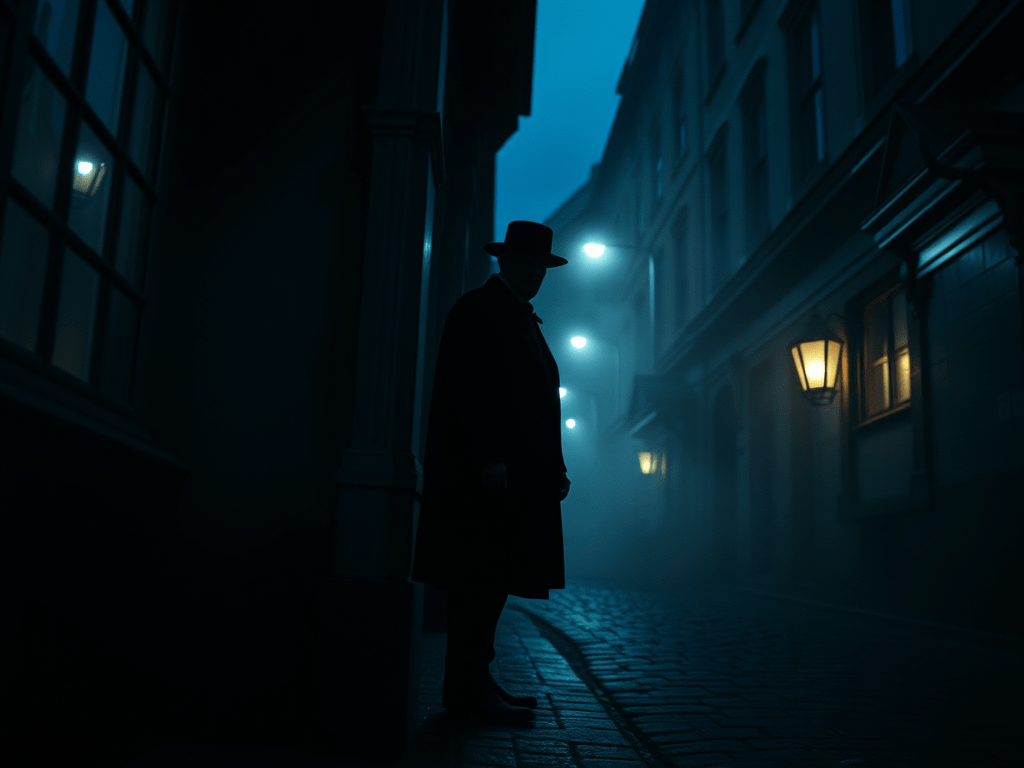
Studying The Strange Case of Dr Jekyll and Mr Hyde offers a fantastic chance to explore a classic Gothic novella. It features on many GCSE exam boards, and for good reason. It’s a great read! But while the gripping story and vivid language have captivated countless readers, students can struggle unpacking the more complex themes.
One of the most important (and surprisingly tricky) themes in Jekyll and Hyde is Secrecy.
Writing about secrecy poses a challenge. You have to examine what characters hide, the silences between them, and the tensions driving the narrative. In short, how do you write about something that, well, doesn’t exist?
Well fear not (no Gothic puns intended). Here’s a sample essay focusing on the theme of secrecy. It compares an extract from the “Incident at the Window” (Chapter 10) with other parts of Stevenson’s novella.
As you read through the essay, grab some coloured highlighters to mark important quotes (both from the extract and the rest of the novel), key terminology and relevant context. This hands-on exercise will boost your knowledge and help you feel confident discussing secrecy in Jekyll and Hyde.
Ready? Let’s dive into the intriguing layers of secrecy in Jekyll and Hyde.

Secrecy is a key theme of The Strange Case of Dr Jekyll and Mr Hyde. Write about secrecy and how it’s presented at different points in the novel.
In your response you should:
- refer to the extract and the novel as a whole
- show your understanding of characters and events in the novel
- refer to the contexts of the novel
You should use the extract below (linked here) and your knowledge of the whole novel to answer this question.
Introduction
In The Strange Case of Dr Jekyll and Mr Hyde, Stevenson masterfully portrays the theme of secrecy. The extract with Jekyll at the window encapsulates the novel’s Gothic tension between what is hidden and what is revealed. This moment, where Jekyll’s smile turns to “abject terror” before he slams the window shut, echoes the recurring motif of concealment, reflecting Victorian anxieties about reputation and hidden desires. This essay will compare how secrecy is depicted in this extract with other key moments in the novel.
Setting and the Unknown
The setting of the extract reinforces the theme of secrecy. The court is described as “full of premature twilight,” even though the sky above is “bright with sunset,” symbolising hidden truths beneath a façade of normality. This contrast uses pathetic fallacy, where the brightness of the sky is undercut by the darkness below, reflecting the duality of Jekyll’s character. This mirrors the novel’s broader portrayal of secrecy, where characters hide their true natures behind respectable exteriors. Jekyll’s laboratory, for example, is another key setting shrouded in mystery. Described as having “windows barred with iron,” it evokes images of imprisonment, secrecy, and moral confinement, a place where Jekyll conceals the horrifying truth of his experiments. Indeed, Jekyll appears “like some disconsolate prisoner” in the extract. This simile not only suggests physical confinement but also highlights Jekyll’s mental imprisonment—trapped by his dual identity, he must conceal Hyde’s existence.
Dialogue and Evasion
The dialogue in this scene further highlights Jekyll’s evasiveness. When Jekyll says, “I dare not,” the modal verb ‘dare’ implies fear, hinting at his internal struggle and the secret he is forced to hide—his transformation into Hyde. This evasiveness reflects the novel’s broader theme of secrecy, as characters consistently withhold information. Earlier, Jekyll insists he can “be rid of Hyde” whenever he chooses, yet this assertion is laced with dramatic irony. As the reader knows, Jekyll is already losing control over his darker self, making this statement both dishonest and desperate. Furthermore, Jekyll’s repeated refusal to confide in Utterson (e.g., “respect [his] silence”) deepens the mystery and emphasises the lengths to which Jekyll goes to conceal the truth, adding to the suspense of the narrative.
Silence as a Gothic Device
Stevenson uses silence to heighten the theme of secrecy. After Jekyll’s moment of terror, Utterson and Enfield leave the court “without a word,” their silence symbolising the unspeakable nature of what they have just witnessed. The motif of silence reoccurs in Lanyon’s refusal to articulate the horror of Jekyll’s transformation: “I cannot bring my mind to set it on paper.” This silence conveys the Gothic trope of the ‘unspeakable,’ where language fails to describe the horror of truth. Similarly, Utterson’s decision to leave Jekyll in silence reflects the Victorian tendency to repress uncomfortable truths, symbolising society’s refusal to confront moral corruption head-on.
Symbolism of Windows and Barriers
The window in this scene acts as a symbol of secrecy and partial revelation. Jekyll’s window is “half-way open,” offering Utterson and Enfield a fleeting glimpse of the truth before it is slammed shut. The window is both a literal and symbolic barrier between Jekyll’s public self and the secret he conceals. This mirrors the locked doors and windows throughout the novel, which often represent the divide between respectability and hidden desires. Hyde’s attack on the child near a locked door earlier in the novel, for example, signifies the moral boundary between civilisation and Hyde’s chaotic evil. The abrupt closing of the window in the extract mirrors Jekyll’s desperate need to keep his secret hidden, while the final breaking down of the door to his laboratory by Poole and Utterson represents the ultimate unmasking of this truth.
The Duality of Secrecy
The theme of secrecy is deeply intertwined with the novel’s exploration of duality. Jekyll’s brief expression of “abject terror” before he slams the window shut represents his internal battle between his public, respectable self and his darker, hidden identity as Hyde. The use of “terror” signifies his fear of his own uncontrollable nature. This internal conflict is central to the novel’s portrayal of secrecy, as Jekyll creates Hyde to indulge in “undignified” pleasures while maintaining his outward reputation. The transformation allows him to keep his darker urges secret, but this duality ultimately becomes uncontrollable. Jekyll’s confession that “man is not truly one, but truly two” reflects the novel’s central premise: secrecy, when used to conceal one’s true nature, leads to moral disintegration. Jekyll’s downfall, or hamartia, stems from his inability to reconcile these two parts of himself.
Conclusion
In this extract, Stevenson intensifies the theme of secrecy through the Gothic setting, evasive dialogue, and symbolic use of windows and silence. These elements echo throughout the novel, where secrecy both shields reputations and conceals darker truths. The extract reflects the novel’s tension between public respectability and hidden desires. Ultimately, secrecy in Dr Jekyll and Mr Hyde is a double-edged sword: it protects reputations but leads to psychological destruction, showing the dangers of repressing one’s true nature.

Reflection and Further Analysis
What do you think about the essay above? Are there any points you would improve, add more quotes and terminology, or make other links with the novel? Have a go at marking it and adding your own ideas to make it even better!
There’s absolutely loads we could have talked about from the extract. If you’re searching for even more quotes and links with the rest of Jekyll and Hyde, here are some ideas.
Setting and Atmosphere:
- “The court was very cool and a little damp, and full of premature twilight, although the sky, high up overhead, was still bright with sunset.”
- Pathetic fallacy: The “cool” and “damp” atmosphere reflects the hidden darkness in Jekyll’s life, hinting at the theme of secrecy. The “premature twilight” symbolises the secrecy that has prematurely consumed Jekyll’s life, even while the “bright sunset” suggests outward appearances of normality. This echoes Jekyll’s earlier admission that he has lived a “double life,” hiding Hyde beneath a veneer of respectability.
- Juxtaposition: The contrast between “premature twilight” and the “bright” sky symbolises the split between Jekyll’s private and public selves. This duality is present throughout the novel, particularly when Jekyll remarks that “man is not truly one, but truly two,” acknowledging the secret life he has lived.
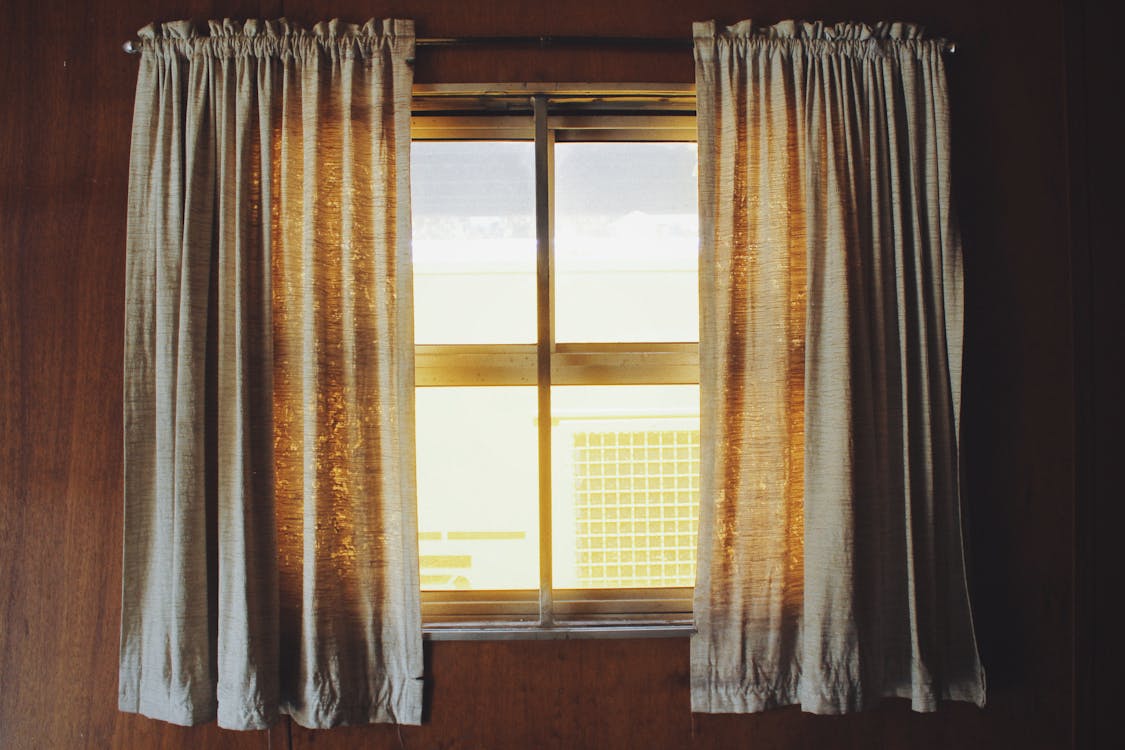
Symbolism of Windows:
- “The middle one of the three windows was half-way open.”
- Symbolism: The “half-way open” window reflects Jekyll’s partial disclosure of his secret. The secrecy is not fully revealed, but there are glimpses of the truth, just as Hyde represents the darker side of Jekyll’s identity, which remains partially concealed. This ties to the moment when Lanyon uncovers the truth and witnesses Hyde’s transformation, remarking that Jekyll’s “secrets” are “too shocking” to comprehend.
- Metaphor for secrecy: The windows are symbolic barriers between Jekyll’s hidden self and the outside world. This connects to the door motif in the novel, especially the locked door to Jekyll’s laboratory, which symbolises the secrecy surrounding his experiments and transformations. Jekyll’s frequent retreats into his lab reinforce this theme of hidden knowledge and isolation.
Characterisation of Jekyll:
- “Taking the air with an infinite sadness of mien, like some disconsolate prisoner”
- Simile: Jekyll is described as a “disconsolate prisoner,” which reinforces his sense of entrapment by his own secrets. He is metaphorically imprisoned by the secret of his dual identity. This mirrors Jekyll’s confession in his final letter, where he describes how the “curse of mankind” led him to create a secret life through Hyde, ultimately imprisoning himself within his own mind.
- Gothic motif: The prisoner imagery suggests that Jekyll is trapped within the confines of his secret life, much like how Hyde remains confined to the darker aspects of Jekyll’s identity. This also connects to Hyde’s lodgings, which are described as hidden and out of view, emphasising secrecy and concealment.
Dialogue and Tone:
- “‘I am very low, Utterson,’ replied the doctor, drearily, ‘very low. It will not last long, thank God.’”
- Tone of resignation: Jekyll’s words suggest that his secret (Hyde) will soon overwhelm him, and he seems relieved by the prospect of his demise, as it would release him from the burden of maintaining his double life. This echoes Jekyll’s statement in his final confession, where he admits that the “balance of [his] nature” has shifted irreversibly in favour of Hyde, marking the beginning of his downfall.
- Repetition: The repeated phrase “very low” reinforces Jekyll’s inner turmoil and despair, caused by the pressure of hiding his secret identity as Hyde. This connects to the moment in Chapter 5, when Utterson observes Jekyll looking “deadly sick” after the murder of Sir Danvers Carew, suggesting the emotional toll secrecy takes on Jekyll.
Utterson’s Dialogue and Rationality:
- “‘You stay too much indoors,’ said the lawyer.”
- Rational advice: Utterson’s suggestion that Jekyll should leave his isolation reflects Utterson’s ignorance of the real reason for Jekyll’s seclusion. This secrecy is echoed throughout the novel, as Utterson remains in the dark about Jekyll’s true nature until the final chapter. Utterson’s rational approach contrasts with the irrational and chaotic world of Hyde that Jekyll is trying to keep hidden.
- Irony: Utterson’s advice to “whip up the circulation” contrasts with the hidden, stagnant life that Jekyll is leading. His secret experiments with Hyde keep him confined indoors, symbolising his detachment from his former respectable life. This parallels Utterson’s earlier ignorance in Chapter 2, where he dismisses Jekyll’s strange will and his connection to Hyde, unaware of the full extent of Jekyll’s secrets.

Jekyll’s Evasiveness and Fear:
- “‘No, no, no, it is quite impossible; I dare not.’”
- Repetition and evasion: Jekyll’s repeated refusal to leave the window symbolises his inability to escape the consequences of his secrecy. His evasion of Utterson’s invitation suggests that he is afraid of exposing his secret identity as Hyde. This connects to the moment in Chapter 7, where Jekyll abruptly shuts the window, concealing Hyde’s imminent transformation.
- Foreshadowing: Jekyll’s fearful “dare not” indicates that he is already losing control of his transformations into Hyde. This foreshadows the later revelation in Chapter 10, when Jekyll admits that the transformations are no longer voluntary, and Hyde begins to surface uncontrollably, making secrecy harder to maintain.
Sudden Shift in Emotion and Atmosphere:
- “The smile was struck out of his face and succeeded by an expression of such abject terror and despair”
- Juxtaposition: The sudden shift from a smile to “terror” suggests that Hyde is emerging, revealing the horrifying reality beneath Jekyll’s outward appearance. This moment reinforces the theme of secrecy, as Jekyll’s cheerful facade is shattered by the truth of his hidden identity. This links to Hyde’s transformation in front of Lanyon, where Jekyll’s outward respectability collapses, exposing the monstrous Hyde.
- Gothic horror: The “terror and despair” in Jekyll’s face highlight the horror of his secret life as Hyde. This echoes Lanyon’s reaction after seeing the transformation, where he expresses his deep horror at witnessing “the horror of my soul,” showing how Jekyll’s secret has devastating effects on those who uncover it.
Silence as a Gothic Element:
- “They turned and left the court without a word.”
- Motif of silence: Utterson and Enfield’s silence after witnessing Jekyll’s terror reflects the unspeakable nature of his secret. This is similar to Lanyon’s silence after witnessing Jekyll’s transformation; both men are unable to articulate the horror of Jekyll’s secret, reinforcing the theme of hidden knowledge that is too terrifying to be expressed.
- Secrecy through silence: Silence here represents the difficulty of confronting the full truth. Throughout the novel, characters like Utterson, Lanyon, and even Jekyll himself avoid confronting the reality of Jekyll’s secret. This mirrors the repression and denial that characterises much of the secrecy in the novel, especially Jekyll’s attempt to repress Hyde.

Emotional Reactions and Horror:
- “There was an answering horror in their eyes.”
- Non-verbal communication: Utterson and Enfield’s shared look of “horror” suggests a mutual, unspoken understanding of the gravity of Jekyll’s secret. This mirrors the secrecy that permeates the novel, where characters often communicate through implication rather than direct revelation. It recalls the moment when Lanyon looks into Jekyll’s face after the transformation, full of “disgust,” yet unable to express the full horror of what he has seen.
- Metonymy: The “answering horror” in their eyes reflects the silent, pervasive fear of the unknown in Jekyll and Hyde. This connects to the broader Gothic theme of the unspeakable horror that lurks beneath civilised society, embodied in Jekyll’s secret life as Hyde.
Religious Imagery and Guilt:
- “‘God forgive us, God forgive us,’ said Mr. Utterson.”
- Religious imagery: Utterson’s plea for forgiveness suggests that he feels complicit in Jekyll’s secret, even though he doesn’t fully understand it. This mirrors the guilt and moral corruption that Jekyll himself experiences. Jekyll, in his final confession, acknowledges his own “moral insensibility,” showing that secrecy has led him down a path of sin. The religious language here recalls Jekyll’s earlier reference to the “deadliest terror” associated with his transformations.
- Repetition: Utterson’s repeated plea, “God forgive us,” reflects his shock and horror at the secret he has glimpsed. This connects to the overarching theme of guilt that pervades the novel, as Jekyll’s experiment with Hyde represents a violation of moral and natural laws.
Support my work
Have you found this post helpful? By contributing any amount, you help me create free study materials for students around the country. Thank you!
 AC studies
The simile “like some disconsolate prisoner” is imprisoned between parenthesis. Plus, I thought the window being the middle of three gives the visual impression that the window itself is trapped between two others.
LikeLiked by 1 person
Hi Abby, thank you so much for your comment. I really love your analysis, both in terms of the parenthesis as well as the idea of the window being trapped itself. I’d never thought of it that way! I’ll definitely bring that into future readings. Thanks again. Amelia.
LikeLike