

Let’s talk about revision.
But more specifically, how you can revise effectively for GCSE and A Level exams whilst also protecting your physical and mental health.
School leaders reported “unprecedented levels of anxiety” during last year’s GCSEs, even going as far as describing it as a “mental health crisis”. So as you navigate the challenges of exam season, it’s essential to find strategies that promote both academic success and personal well-being.
Of course, effective strategies will look different for everyone. But there are key skills and approaches you can use, switching things up to suit your learning style and personal needs.
So let’s explore mindfulness and how it can revolutionise your approach to revision.
Understanding Mindfulness as a Revision Tool
You’ve probably heard of mindfulness before. It’s used a lot… but what does it actually mean?
Well at its core, mindfulness involves being fully present and engaged in the moment. That’s it! It’s about living your everyday life without judgement. By embracing mindfulness, you can not only cultivate a deeper connection with your studies (leading to better retention and understanding) but also enjoy greater feelings of calmness and contentment.
What is Mindfulness? A Definition
Mindfulness is the practice of being fully aware of the present moment, including your thoughts, feelings, bodily sensations and surroundings – without self-judgement. It involves intentionally focusing your attention on the here and now, rather than dwelling on the past or worrying about the future.

What are the benefits of mindfulness?
The benefits of mindfulness extend far beyond the classroom. Research has shown that mindfulness techniques can reduce stress and anxiety, improve focus and concentration, enhance self-awareness and emotional regulation, and promote overall well-being.
By incorporating mindfulness into your revision routine, you can create a more positive and productive study experience. This in turn means you’re more likely to stick with your revision. And with consistent work and revision comes improved grades!
Consider this: when you approach revision with mindfulness, you’re not merely going through the motions. Instead, you’re fully immersing yourself in the material, allowing for a more effective and less stressful learning experience.
So, what are some ways you can encourage a mindful approach when it comes to revision?
The first strategy is simple. It’s all about your breathing…
Breathing Techniques for Mindful Revision and Reducing Stress
Stress is a common companion during exam season, but it doesn’t have to dictate your study experience.
Deep breathing techniques can be a game-changer when it comes to managing stress and promoting relaxation.
The Power of Deep Breathing
Deep breathing exercises, also known as diaphragmatic breathing or belly breathing, involve taking slow, deep breaths to activate the body’s relaxation response. This helps counteract the body’s natural stress response, which can lead to feelings of tension and anxiety.
Here are three breathing techniques to try.
A Step-by-Step Guide: Parasympathetic Breathing for Stress Reduction
When it comes to managing stress and promoting relaxation, parasympathetic breathing techniques can be incredibly effective. By focusing on longer exhales, you can activate the body’s parasympathetic nervous system, which is responsible for the “rest and digest” response.

Here’s a step-by-step guide to practising parasympathetic breathing:
- Find a quiet space: Choose a comfortable spot where you can sit or lie down without distractions. Close your eyes and take a moment to settle into your surroundings.
- Relax your body: Take a few deep breaths to relax your body and release any tension you may be holding. Allow your shoulders to drop, and soften your facial muscles.
- Inhale slowly: Begin by taking a slow, deep breath in through your nose. Focus on filling your lungs completely with air, allowing your abdomen to rise gently.
- Exhale fully: As you exhale, release the breath slowly and evenly through your mouth. Focus on making your exhale longer than your inhale, allowing your abdomen to fall as you release the breath.
- Lengthen your exhale: With each breath, try to gradually increase the length of your exhale. Aim for a ratio of at least 1:2, meaning your exhale should be twice as long as your inhale.
- Repeat and relax: Continue this pattern of slow, deep breathing with a longer exhale for several minutes, focusing on the sensation of your breath as it moves in and out of your body. Notice how your body begins to relax and your mind becomes calmer with each breath.
Take a moment to notice feelings of relaxation and calm as you practise parasympathetic breathing. With each exhale, imagine releasing any stress or tension stored in your body, allowing yourself to fully unwind and recharge.
A Step-by-Step Guide: Square Breathing Technique for Enhanced Focus
When it comes to sharpening your focus and improving concentration, the square breathing technique can work wonders. By counting and pausing your breaths in a structured pattern, you can train your mind to stay present and attentive.
Here’s how to practise square breathing:
- Find a comfortable position: Sit in a comfortable position with your spine straight and your shoulders relaxed. Close your eyes if it helps you focus.
- Inhale slowly: Begin by taking a slow, deep breath in through your nose, counting to four as you fill your lungs with air. Imagine drawing the breath all the way down to your belly.
- Hold your breath: Once you’ve inhaled fully, hold your breath for a count of four. Keep your lungs filled with air, but avoid straining or tensing your muscles.
- Exhale slowly: Now, exhale slowly and steadily through your mouth, counting to four as you release the breath. Focus on fully emptying your lungs of air.
- Hold your breath again: Once you’ve exhaled completely, pause for a count of four before inhaling again. Keep your lungs empty, but remain relaxed and comfortable.
- Repeat the pattern: Continue this pattern of inhaling, holding, exhaling, and holding for several rounds – maintaining a steady rhythm and counting to four for each phase of the breath.
As you practise square breathing, notice how your mind becomes more focused and your thoughts become clearer with each breath. This structured breathing pattern helps you stay centred and grounded, making it easier to tackle challenging tasks with clarity and precision.
Experiment with different breath counts and find a pace that feels comfortable and natural for you. Whether you’re studying for an exam, preparing for a presentation, or simply need to regain your focus during a busy day, square breathing is a great tool.
A Step-by-Step Guide: Deep Breathing or Belly Breathing Technique
And finally, diaphragmatic or belly breathing… an excellent breath technique for when you’re feeling overwhelmed and need to calm down and check-back in with your body. It should help you feel more in tune with yourself and your surroundings.

Here’s a step-by-step guide to practising belly breathing:
- Find a quiet space: Choose a comfortable spot where you can sit or lie down without distractions. Close your eyes and take a moment to settle into your surroundings.
- Relax your body: Take a few deep breaths to relax your body and release any tension you may be holding. Allow your shoulders to drop, and soften your facial muscles.
- Place your hands: Position one hand on your chest and the other on your abdomen. This will help you focus on the movement of your breath as you practise deep breathing.
- Inhale slowly: Begin by taking a slow, deep breath in through your nose. Focus on filling your lungs completely with air, allowing your abdomen to rise gently. Feel the breath expanding your belly as you inhale.
- Exhale fully: As you exhale, release the breath slowly and evenly through your mouth. Feel your abdomen fall naturally as you expel the air from your lungs. Focus on making your exhale as long and complete as possible.
- Repeat the process: Continue this pattern of slow, deep breathing for several minutes, focusing on the sensation of your breath as it moves in and out of your body. Pay attention to the rise and fall of your abdomen with each breath.
Take a moment to savour the feelings that arise as you practise belly breathing. With each breath, imagine releasing any stress or tension stored in your body, allowing yourself to fully unwind and recharge.
Yoga for Study Breaks: Moving Your Body
Yoga isn’t just for studios and gyms. It’s a massively valuable tool for enhancing concentration and reducing stress during study breaks and intense revision sessions.
By incorporating simple yoga poses into your routine, you can rejuvenate mind and body, allowing for more productive study sessions.
So what is yoga?
Yoga is a mind-body practice that originated in India. It combines physical postures, breath control and meditation. It’s a centuries old spiritual practice, with a fascinating history.
It reduces stress, improves flexibility and strength, and enhances overall well-being. Incorporating yoga into your study breaks can help release physical tension, increase blood flow to the brain and promote clarity and focus.
If you’re just getting started, here are 7 relaxing poses to try.
- Child’s Pose (Balasana): This gentle pose is perfect for relieving tension in the back and shoulders, making it ideal for study breaks. To practise Child’s Pose, start by kneeling on the floor with your big toes touching and knees wide apart. Sit back on your heels and stretch your arms forward, lowering your chest toward the floor. Rest your forehead on the ground and relax your arms by your sides or extend them out in front of you. Take slow, deep breaths and feel the soothing stretch along your spine and shoulders.
:max_bytes(150000):strip_icc()/ChildsPose-5c5d94ce46e0fb00017dd0d9.jpg)
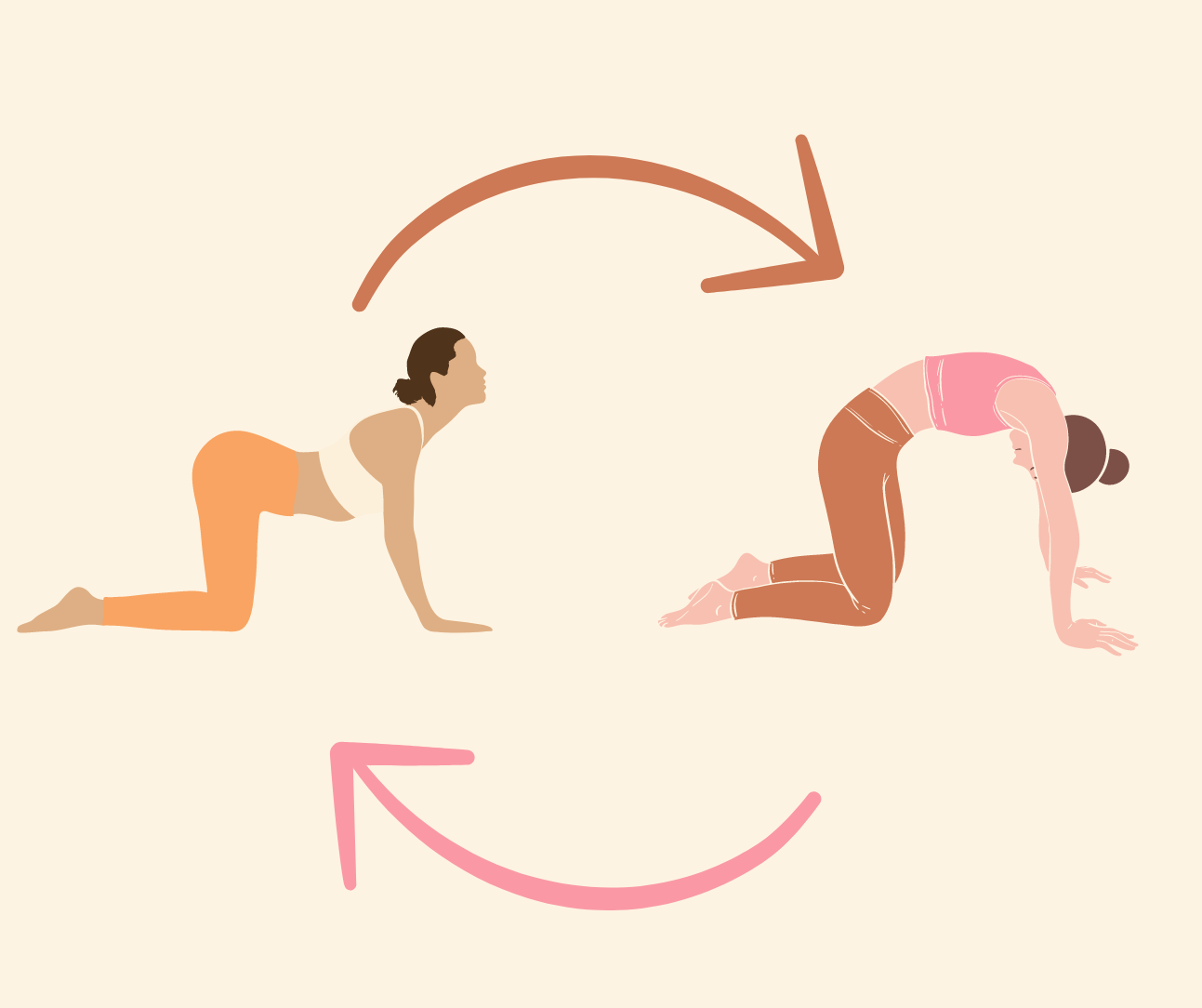
- Cat-Cow Pose (Marjaryasana-Bitilasana): This dynamic pose helps to gently stretch and mobilise the spine, promoting relaxation and flexibility. For Cat-Cow, begin on your hands and knees in a tabletop position, with your wrists directly under your shoulders and knees under your hips. As you inhale, arch your back and lift your chest and tailbone towards the ceiling, allowing your belly to sink towards the floor (Cow Pose). As you exhale, round your spine and tuck your chin towards your chest, drawing your belly button towards your spine (Cat Pose). Flow smoothly between these two poses, syncing your breath with your movements.
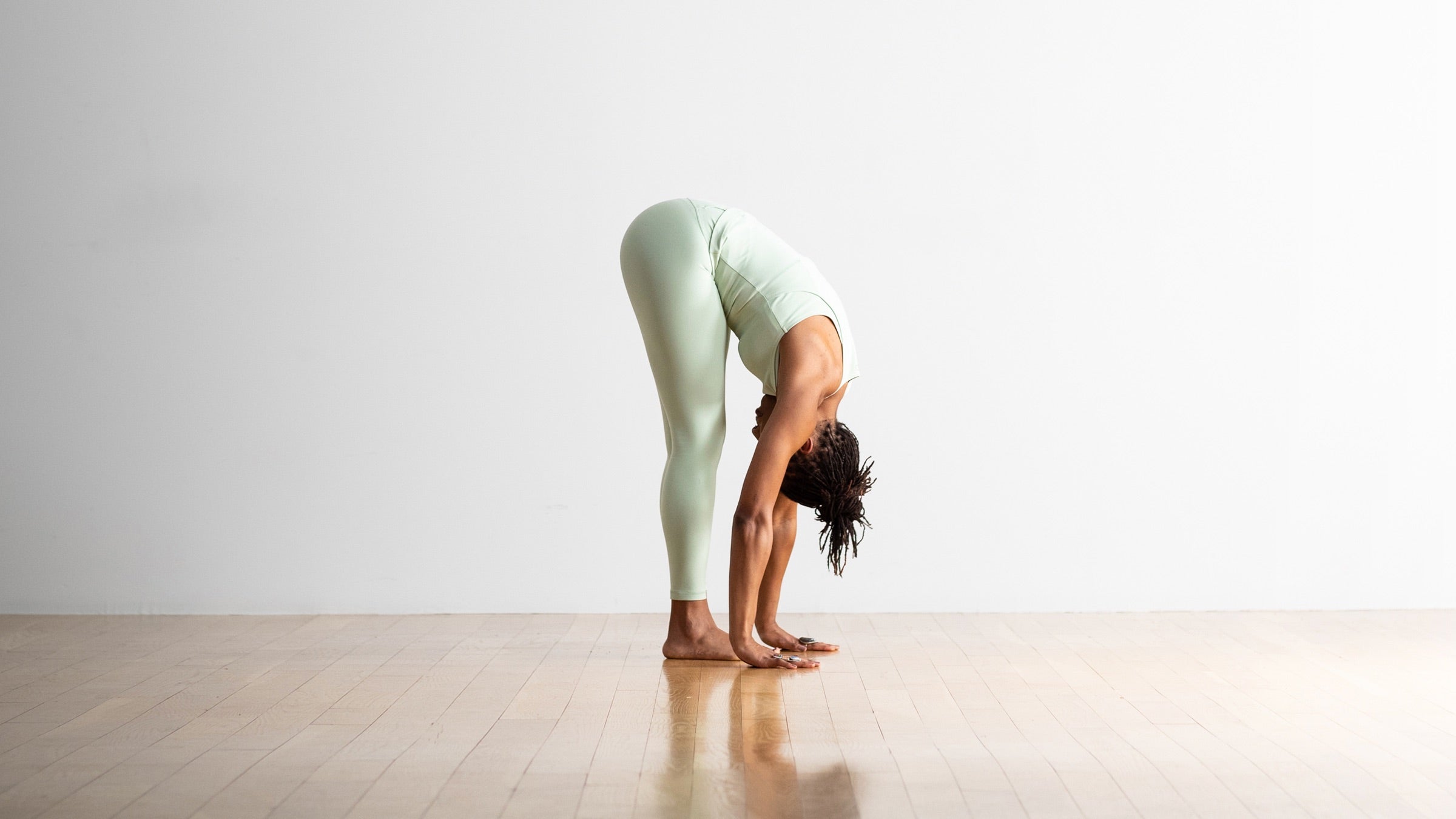
- Standing Forward Fold (Uttanasana): Standing forward fold is excellent for releasing tension in the back, hamstrings, and neck, while also calming the mind and relieving stress. Stand with your feet hip-width apart and hinge forward from your hips, folding your torso over your thighs. Allow your head and neck to relax, and let your arms hang down towards the floor or grasp opposite elbows. Keep a slight bend in your knees if needed to maintain comfort in the stretch. Take slow, deep breaths and focus on releasing any tension with each exhale.
- Legs-Up-the-Wall Pose (Viparita Karani): This restorative inversion is perfect for promoting relaxation and reducing fatigue. Sit with one side of your body against a wall and swing your legs up so that your feet are resting against the wall and your hips are close to or against the wall. Rest your arms by your sides or place your hands on your belly or heart. Close your eyes and focus on your breath as you allow gravity to gently stretch your legs and release tension from your lower back. Stay in this pose for several minutes, allowing yourself to completely surrender and relax.

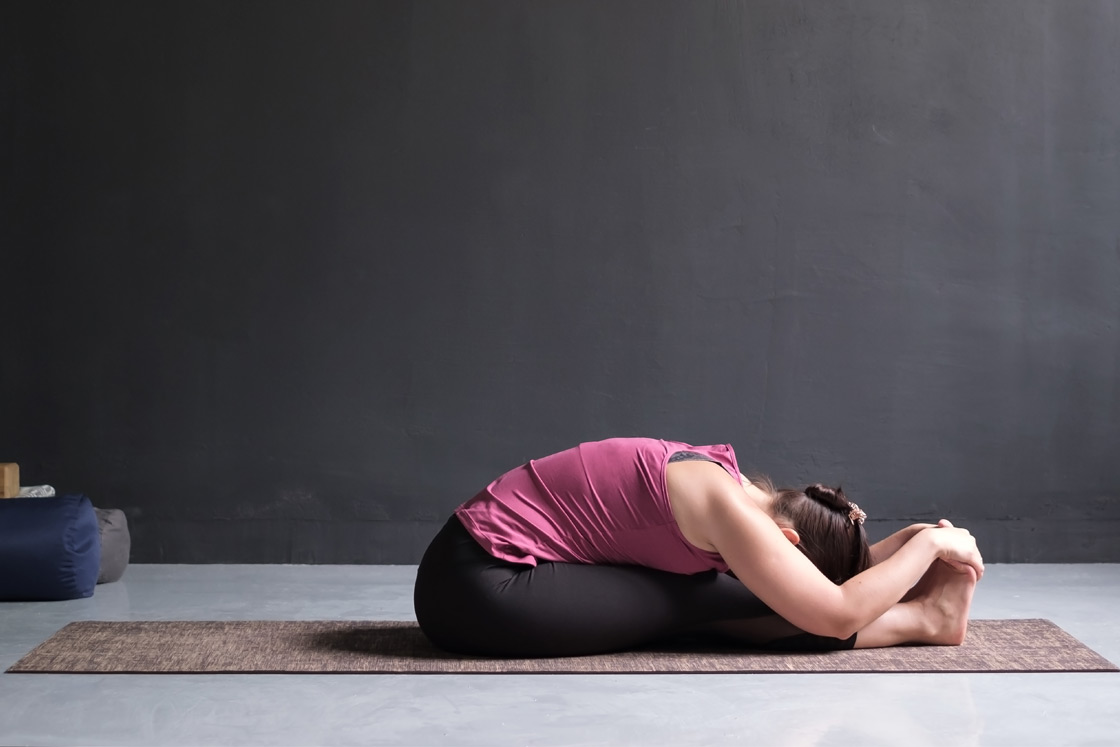
- Seated Forward Fold (Paschimottanasana): This seated pose is excellent for stretching the spine, hamstrings, and shoulders, while also calming the mind and relieving stress. Sit on the floor with your legs extended in front of you and feet flexed. Inhale to lengthen your spine, then exhale to hinge forward from your hips, reaching your hands towards your feet or shins. Keep your back straight as you fold forward, leading with your chest rather than rounding your spine. Hold the stretch for several breaths, feeling a gentle release in the back of your legs and along your spine.
- Reclining Bound Angle Pose (Supta Baddha Konasana): This restorative pose opens the hips and chest, while also promoting relaxation and deep breathing. Lie on your back with your knees bent and feet flat on the floor, allowing your knees to fall open to the sides. Bring the soles of your feet together and let your knees drop towards the floor, creating a diamond shape with your legs. Support your knees with pillows or blocks if needed to prevent strain. Rest your arms by your sides with palms facing up, and close your eyes. Take slow, deep breaths as you surrender into the pose, allowing tension to melt away and your body to soften with each exhale.
:max_bytes(150000):strip_icc()/RS_YogaStressExercises_Tout_2-91057621720c49f585c6042e253dfc20.jpg)
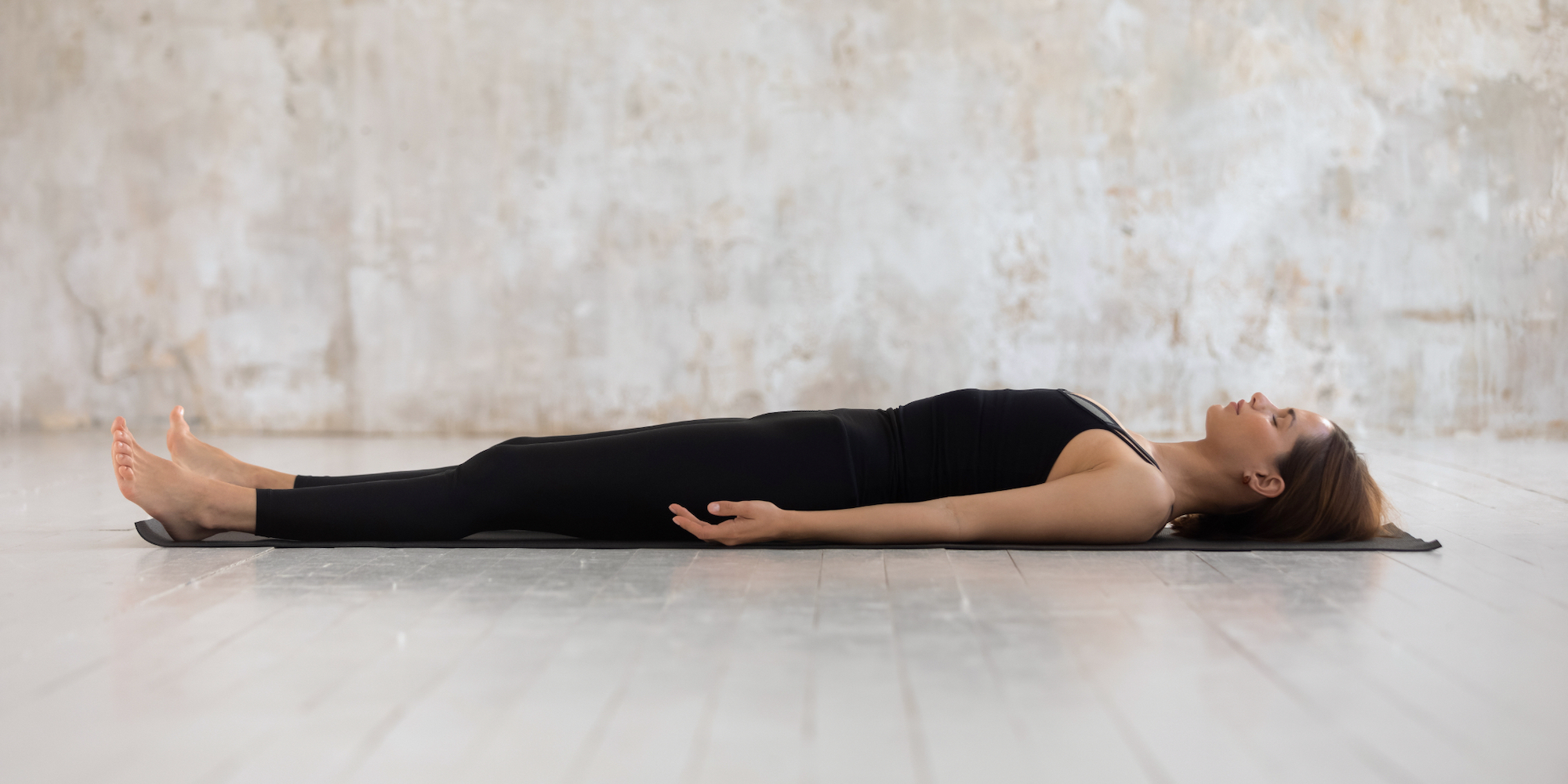
- Corpse Pose (Savasana): Also known as final relaxation pose, Corpse Pose allows your body and mind to fully unwind and feel the benefits of your yoga. Lie on your back with your legs extended and feet hip-width apart, arms relaxed by your sides with palms facing up. Close your eyes and take a few deep breaths to settle into the pose. Let go of any tension in your body, allowing yourself to completely relax from head to toe. Stay in this pose for at least a few minutes, focusing on deep, effortless breathing and allowing yourself to be present in the moment.
From individual poses (or “asana”) work your way up to a whole series of movements. You could try the “sun salutations” which are great for getting your heart pumping and blood flowing. There’s a more calming “moon salutation” you can follow.
There are also loads of videos on YouTube you can follow for a 20-minute revision break. Yoga with Adriene is my personal favourite – perfect for beginners.
So give yoga a go!
Not only will yoga help physical tension, but it clears the mind, leaving you refreshed and ready to tackle your studies with renewed focus.
Using Mindful Productivity Techniques for Revision
Mindful productivity is all about finding a balance between academic rigour and self-care. By integrating mindfulness approaches into your study routine, you’ll maximise productivity and maintain a sense of well-being.
So to round off, here are three mindful productivity techniques to work on.
- “Chunking” your tasks: When it comes to studying mindfully, setting specific goals is key. Break down your revision tasks into manageable goals (or “chunks”), such as completing a certain number of pages or mastering a particular concept, and focus on one goal at a time. Write this down, and plan ahead. This will help you stay focused on the present, rather than overwhelmed by your workload.
- Take regular breaks: It’s essential to schedule regular breaks during study sessions to rest and recharge. This can prevent burnout and improve overall productivity. Use your breaks to engage in activities that promote relaxation and stress relief, such as deep breathing exercises, yoga, or simply walking outside.
- Practice gratitude: Cultivating gratitude can also improve your study experience. Take a moment each day to reflect on what you’re grateful for, whether it’s progress you’ve made in your studies, supportive friends and family, or simply the opportunity to learn and grow. Practising gratitude will shift your focus away from stress and negativity, allowing you to approach revision (and daily life) with a more positive outlook.
And that’s it!
By approaching your revision with intention and awareness, you can transform study sessions from stressful chores to genuinely positive experiences. Mindfulness techniques for revision are all about helping you stay in the present moment – and achieve a balanced approach that promotes both academic success and personal well-being.
So stay mindful, stay focused and most importantly, stay balanced. Happy studying.
Support my work
Have you found this post helpful? By contributing any amount, you help me create free study materials for students around the country. Thank you!
 AC studies